Vaccine supplies and logistics are a fundamental component of any immunization system. In Nigeria, any hope of achieving the goal of 87% vaccine coverage by 2015 will remain out of reach unless vaccines and devices reach heath facilities on time and in the right quantity. The greatest difficultly lies in reaching the last mile—getting vaccines to those in the hardest-to-reach corners of Nigeria.
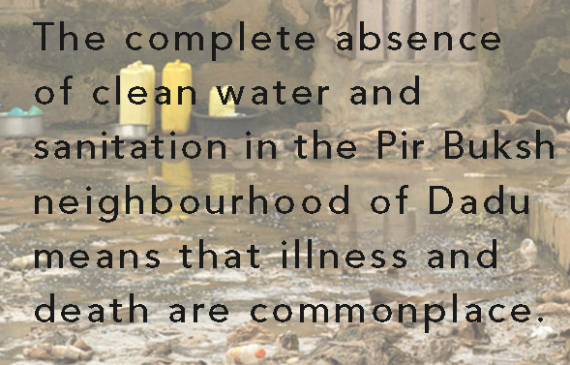
Floods and drought in rural areas are leading to mass migration into urban centres, however, weak governance and disempowered communities are leading to ever-worsening issues of sanitation and hygiene.
Accountability is a crosscutting pillar of the post-2015 development agenda. It is crucial to delivering development effectiveness, along with the sustainable development goals (SDGs) and their means of implementation. Among various frameworks and global partnerships for development, the Global Partnership for Effective Development Co-operation stands out in terms of devising ways to hold aid partners accountable.
A partnership between a world-renowned seismologist and a veteran aid worker has given birth to an innovative project to allow disaster response organizations, for the first time ever, to forecast in real-time where aftershocks will hit, saving lives and paving the way for better post-quake relief decisions.
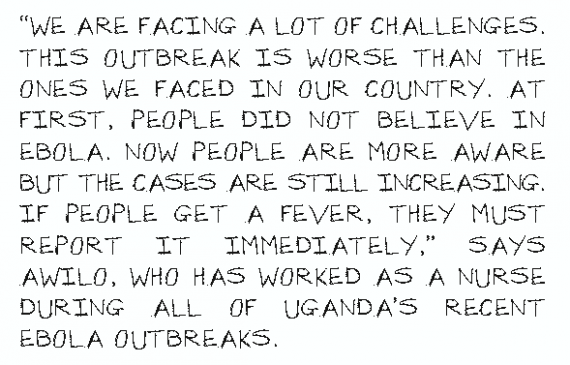
More than 30 Ugandans—among them doctors, nurses, health educators and social workers—have gone to West Africa since August to join the effort to control the ongoing Ebola epidemic. These Ugandan health workers have direct experience with such outbreaks. Over the last 15 years, Uganda has had four Ebola outbreaks (2000, 2007, 2011 and 2012). In each instance, the country’s health system was able to contain the outbreak to the initial site.
In many remote regions around the world, it is extremely difficult for women in labor to reach a hospital or a clinic, causing risks to their lives and the lives of their babies. The important role mobility plays in health in the developing world is well documented. In India, the convening of key stakeholders across many government sectors was critical to galvanize a statewide, lifesaving ambulance service.
Over the last few months, newspaper headlines have been filled with reports on the dire need for health care workers, protective equipment, and treatment centers in responding to the Ebola outbreak ravaging Liberia, Sierra Leone and Guinea. While there is certainly a pressing need for logistical and medical support, there is also an urgent need for community education informed by West African cultural norms. Understanding these norms, such as funeral rituals and gender roles, assists in halting the spread of the virus.
The United Nations Secretary-General has used his much-awaited post-2015 synthesis report to usher the New York caravan along the road to dignity for all by 2030. He also urges coherence among the three major intergovernmental processes and events of 2015: the Third International Conference on Financing for Development, the finalization of the SDGs and their agreement at the post-2015 summit and the agreement of a post-2020 climate regime at COP 21 in Paris next December.
- ‹ previous page
- 30 of 70
- next page ›