




15 August 2014
Partner post
When land is degraded, its people and their prospects are degraded too
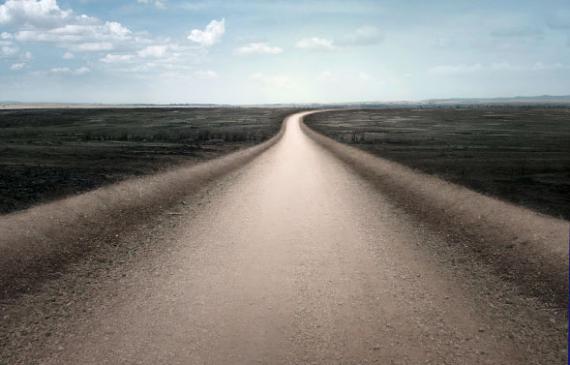
Investing in sustainable land management could help boost political, economic and climatic resilience in poor countries.
14 August 2014
Partner post
Want to end poverty? Tackle inequality first
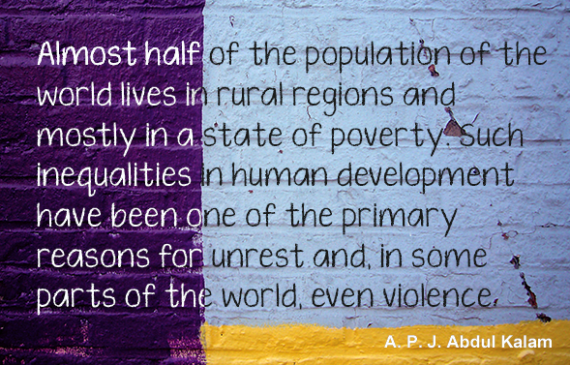
The global momentum for an ambitious goal on poverty reduction is strong, but some question whether it is possible to end poverty while growing in an environmentally, socially and economically sustainable way. There are very good reasons to side with the optimists in this debate – but only if we manage to break through one major obstacle: inequality.
13 August 2014
Partner post
UNDP report charts road map to equitable and sustainable human progress
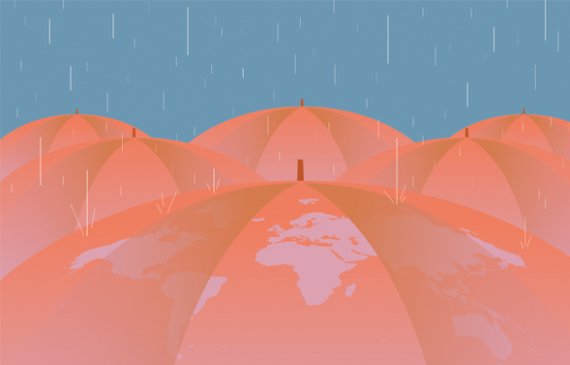
The United Nations Development Programme (UNDP) released last month its 2014 Human Development Report on vulnerability and resilience, which warns that 2.2 billion people are poor or near-poor. The Report calls for universal provision of basic social services, and stronger policies for social protection and full employment to advance and secure development progress.
12 August 2014
Partner post
The Price of Poverty
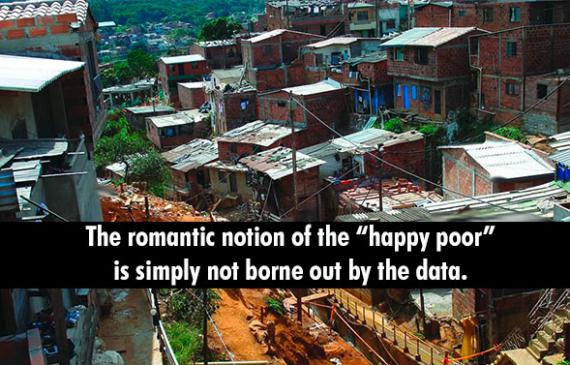
Poverty affects people in a variety of ways. For example, the poor have limited access to health and education and their living standards are low. Another dimension to be explored in understanding the complexity of poverty is the psychological and behavioural consequences it might have on those that experience deprivation. Today’s post explores that very issue.
11 August 2014
Partner post
Helping stakeholders shape new global goals for humanity's future
Sustainable Development 2015 Survey on your engagement and participation in the OWG on SDGs (Deadline: 12th August). SD2015 invites you to take our a short survey that seeks to evaluate the engagement of Major Groups and other stakeholders at the Open Working Group (OWG) on Sustainable Development Goals (SDGs).

08 August 2014
Partner post
Myanmar: UN welcomes release of child soldiers, commitment to get them educated
United Nations confirmed that Myanmar released dozens of children and young adults from its armed forces, known as the Tatmadaw. The UN also welcoming the Government’s efforts to get the people away from guns and into classrooms.
- ‹ previous page
- 44 of 70
- next page ›