Food security has been high on political agendas since 2007/08, when food price spikes sparked social unrest, protests and violent revolts in more than 43 countries. Around that time, the human population became more urban than rural for the first time ever. Policymakers need to know how these two facts are related. However, very few of them do.
This year, the UN turns 70. But 2015 is much more than a birthday. The year also marks a moment when the UN will either succeed or fail to secure a meaningful deal on a post-2015 development framework to replace the Millennium Development Goals (MDGs), alongside overlapping and crucial deals on climate change, financing for development and trade in the same year.

Zero Discrimination Day is a chance to celebrate diversity and to reject discrimination. By joining our voices together, we can be part of a resounding call for compassion, tolerance and peace. Open up, reach out.
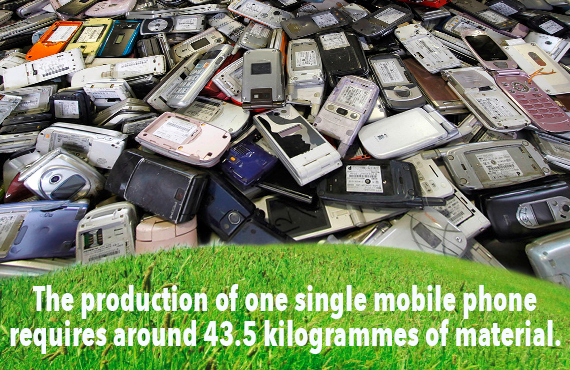
The production of one single mobile phone requires around 43.5 kilogrammes of material. The environmental impact is worrying, and so are tough labour conditions. The “Fairphone” is an interesting attempt to make a difference, independent scholars argue, but voluntary action is not enough to solve all problems relating to the production of hand-held devices.
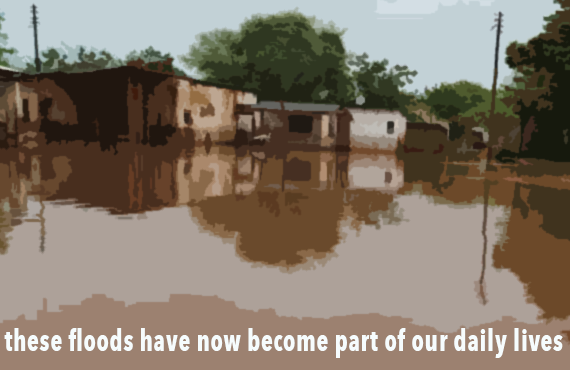
Severe floods have devastated almost the entire southern region of Malawi, leaving over 100 people dead and more than 10,000 homeless, with half a million children unable to attend school. Food shortage is looming, since crops have been washed away.
The climate debate seems to be as polarised as ever. While joint political pledges offer some hope that climate change no longer has to be a partisan issue, a look at the comments below most articles on global warming says otherwise.
- ‹ previous page
- 23 of 70
- next page ›