Donors do not report the gender-focus of over half of their humanitarian assistance. This means it is impossible to tell whether donors’ gender equality commitments are being met.
The Global Alliance Against Traffic in Women (GAATW) is celebrating its 20th anniversary. Founded in 1994 in Chiang Mai, Thailand, and born of a collective decision to understand the elements of trafficking from a human rights perspective in order to improve the lives of trafficked women, GAATW is now a worldwide network of over 100 organizational members and a wide community of partners and allies. As part of its anniversary celebrations, GAATW has published a timeline detailing its first 20 years.
Afroza, a Bangladeshi woman who worked for sixteen years without getting paid and was not allowed to go home to visit her family. Keni, an Indonesian woman whose employers injured her with a hot iron, leaving disfiguring third-degree burns all over her body. Kartika, an older Sri Lankan woman whose employers made her work around the clock without pay, shaved her head to humiliate her and gouged pieces of flesh out of her arm with knives. These are some of the women whose faces and stories still haunt me after ten years of investigating human rights abuses against migrant domestic workers in Asia and the Middle East, writes Nisha Varia.
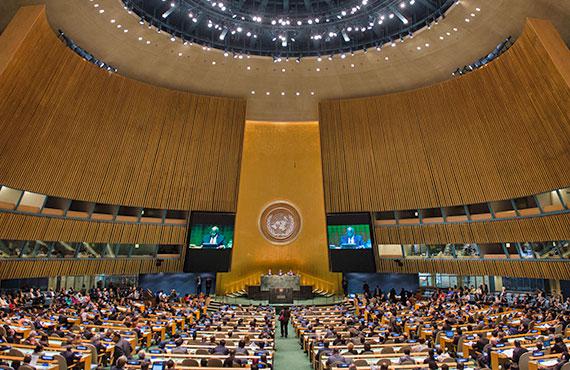
As terrorism, war and disease rock the globe, political leaders gathered last week at the United Nations to consider how to set the world on a course of sustainable development for decades to come.

Indigenous Peoples are making progress on several fronts – recognition, rights, political participation, education, health and so on – but the level of poverty is not being reduced and, especially in Latin America, the gaps are increasing. It is important to address the poverty gap.
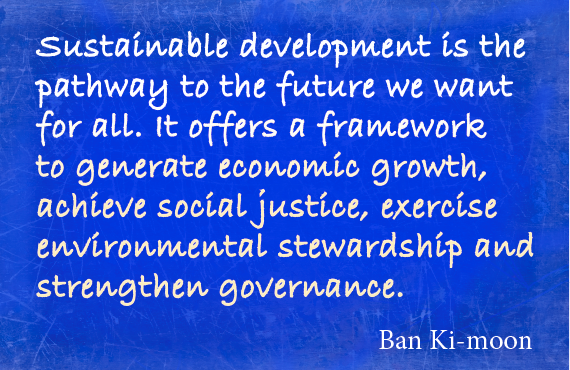
Jeffrey Sachs writes that sustainable development is the central drama of our time. The world’s governments are currently negotiating a set of Sustainable Development Goals (or SDGs) for the period 2015-2030, following the success of the Millennium Development Goals (MDGs), which ran from 2000 until next year. The MDGs focus on ending extreme poverty, hunger and preventable disease.
The theme of this year’s General Assembly debate is Delivering on and Implementing a Transformative Post-2015 Development Agenda. From 24 to 30 September 2014, Heads of State and Government will discuss the world’s most pressing issues, such as climate change, poverty and violent armed conflicts, and will consider options to be part of the development framework that will replace the Millennium Development Goals.
- ‹ previous page
- 39 of 70
- next page ›


0d35.png?itok=IpwQ80Hd)
e27e.jpg?itok=7tppqmsK)