




02 May 2014
Partner post
Sustainability means marrying people and the planet
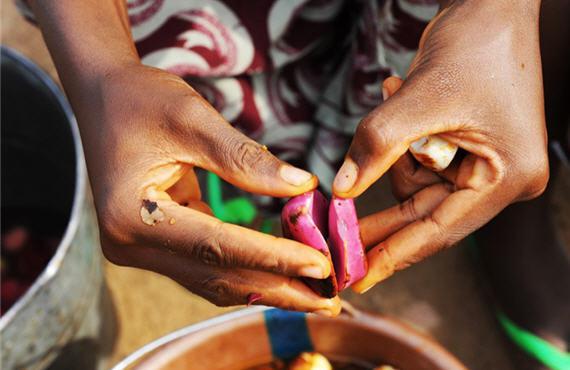
Maria Helena Semedo, FAO’s Deputy Director-General for Natural Resources, gives an overview of the Food and Agriculture Organization’s role in the post-2015 process.
01 May 2014
Partner post
The Poor, the Bank, and the Post-2015 Development Agenda
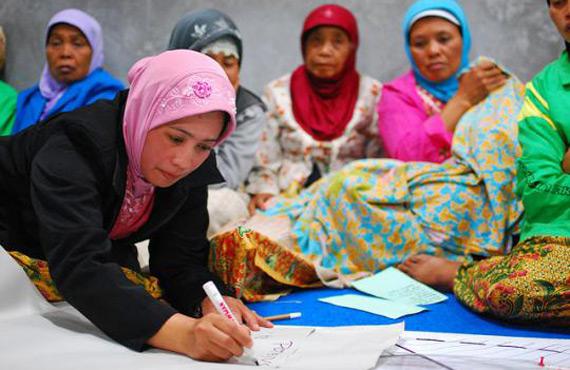
Today, the process of identifying and consulting on the post-2015 development agenda has been opened to the general public including, importantly, those whom the goals are expected to serve.
30 April 2014
Contributor post
Press 1 if you have not eaten today
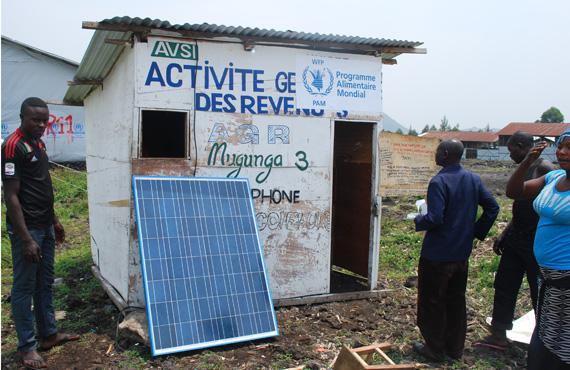
Humanitarian needs assessments are critical for delivering assistance for the most needy, but it is important to get that information without exposing the people collecting it to unnecessary risk. With that in mind, the World Food Programme (WFP) launched the mobile Vulnerability Assessment and Mapping project in 2013, which enabled thousands of people in the troubled North Kivu province of the Democratic Republic of the Congo to text in information on what they had eaten and how they were coping. Jean-Martin Bauer of WFP tells Daily Development about this innovative project.
29 April 2014
Partner post
Road to education and prosperity
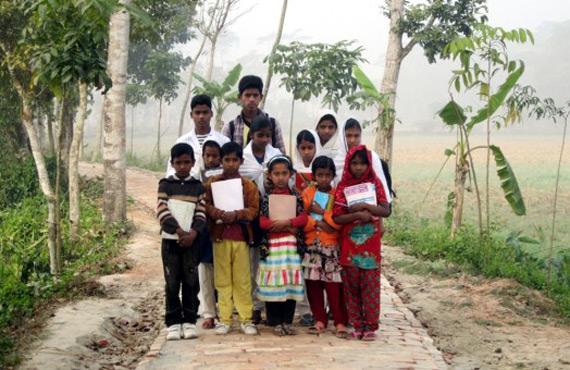
A new road made of bricks in Bangladesh is now connecting a number of villages to markets, hospitals and administrative centres, enabling the rural poor to avail themselves of better economic opportunities and to access better health, education and business services.
28 April 2014
Partner post
Prosperity for all: Ending extreme poverty
Two thirds of the world’s poorest people live in just five countries—India, China, Nigeria, Bangladesh and the Democratic Republic of the Congo—according to a new World Bank study.

25 April 2014
Partner post
World Malaria Day
Global efforts to control and eliminate malaria have saved an estimated 3.3 million lives since 2000, reducing malaria mortality rates by 42% globally and 49% in Africa. Increased political commitment and expanded funding have helped to reduce malaria incidence by 25% globally, and 31% in Africa.
- ‹ previous page
- 56 of 70
- next page ›