The United Nations Population Fund estimates that over 40% of married women in India between 15 and 49 years of age have been beaten, raped or forced to engage in sexual intercourse with their spouses.
Leaders from over 30 countries came together for a two-day retreat on 14 and 15 May at United Nations headquarters to reinforce their commitments to improve the health of women, children and adolescents around the world.

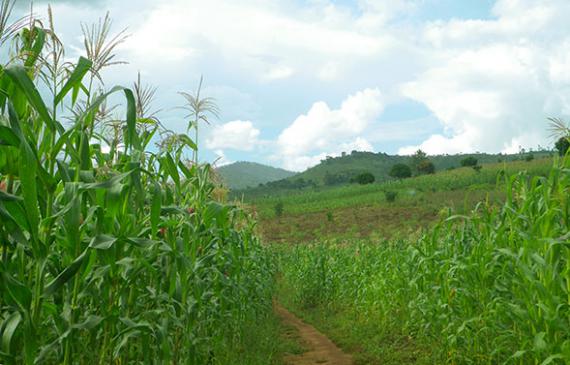
Today we speak to Tamahi Kato, a researcher at the Institute of Development Studies in the United Kingdom, about agricultural input subsidies and their effect on poverty reduction and farmers’ livelihoods in the United Republic of Tanzania.
While Mongolia has experienced drastic changes, driven by the fast economic growth and the mining boom, one third of its people remain on the steppe, continuing their lifestyle as nomadic herders.
Today we speak to Elizabeth Stuart, Research Fellow at the Overseas Development Institute and lead author of a recent report, The Data Revolution: Finding the Missing Millions, about its findings. She warns that many countries are lacking important data on poverty, health and education.
This year marks the 20th year since sub-Saharan Africa started on a path of faster economic growth. During that period, growth has averaged 5.2% per year. Meanwhile, the number of people on the continent reportedly living under US$ 1.25 a day has continued to creep upwards from 358 million in 1996 to 415 million in 2011—the most recent year for which official estimates exist. What can explain these divergent trends?
The recently published Organisation for Economic Co-operation and Development report States of Fragility 2015—Meeting Post-2015 Ambitions presents very interesting facts and figures on the likelihood of fragile states meeting the post-2015 development goals.
- ‹ previous page
- 15 of 70
- next page ›


c8ac.png?itok=xyWl5LUy)
dabc.png?itok=u6EYGpEo)