As part of the continuing post-2015 dialogue, the UN development system is creating space and opportunities for interested groups and individuals to contribute specific ideas and proposals for the implementation of the post-2015 agenda in their countries and at a global level.

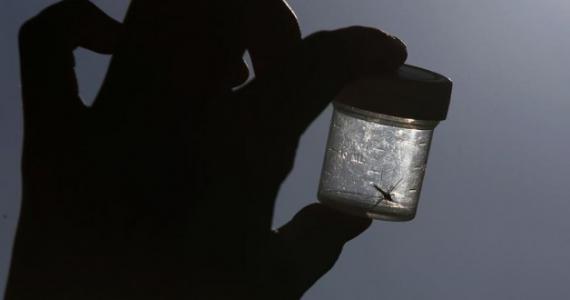
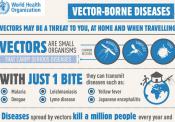
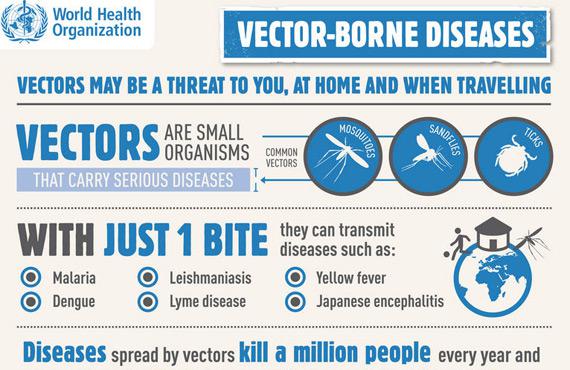
This year, the theme of World Health Day on 7 April was “vector-borne diseases.” To many people living in Europe or North America, this might seem like an odd choice. But the fact is that vector-borne diseases continue to exact a huge toll on humanity.
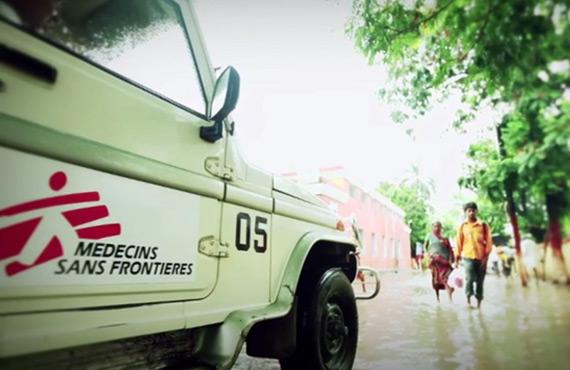
Continuing with our health week dedicated to vector-borne diseases, today we focus on how Médecins Sans Frontières/Doctors Without Borders (MSF) is delivering quality treatment for Kala Azar (visceral leishmaniasis) at community level in Bihar state, India.
As part of our series focusing on vector-borne diseases, Daily Development talks to Dr Bernard Pécoul, Executive Director of the Drugs for Neglected Diseases initiative (DNDi), to see what can be done to mitigate the impact of such forgotten and yet deadly diseases.
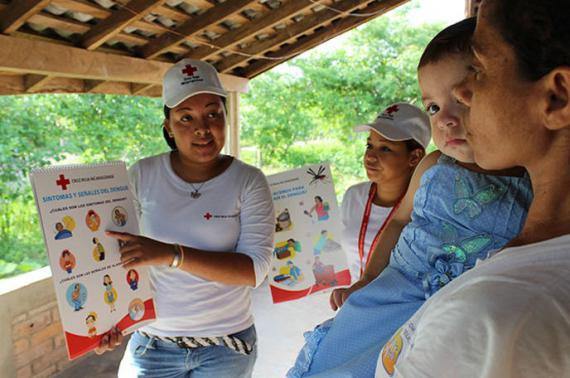
Over the past 50 years, dengue has spread from nine to over a hundred countries, making it the most rapidly spreading vector-borne disease. The IFRC is turning up the volume on this silent disaster and advocates for a shift in approach from responding to isolated outbreaks of dengue to investing in long-term, integrated programming including community initiatives leading to sustainable behavioural change.
April 7 is World Health day. This year’s theme is dedicated to vector-borne diseases which are illnesses caused by pathogens and parasites in human populations.
The PMNCH policy brief on “Placing Healthy Women and Children at the Heart of the Post 2015 Sustainable Development Framework” is now open for consultation until 21 April 2014.
- ‹ previous page
- 58 of 70
- next page ›