Today is World Hepatitis Day. Although it kills around 1.4 million people every year, particularly affecting the developing world, viral hepatitis is very much a neglected disease. Daily Development speaks to Charles Gore, President of the World Hepatitis Alliance, to learn about the response to the disease and to find out what is being done to raise its profile.
“If it wasn’t for the Millennium Development Goals, I probably wouldn’t be here,” said Pablo Aguilera, a young man living with HIV, at an event in May about the global development agenda.

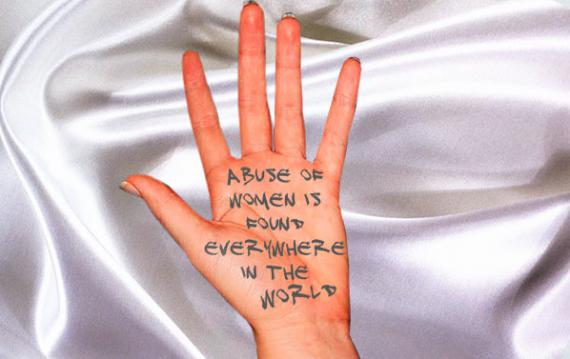
Abuse of women is found everywhere in the world, irrespective of culture, continent or social status. Most countries adhere to the principle of gender equality in theory, or even by law, but many countries not in practice. It is a good sign when civil society begins to oppose domestic violence—as is increasingly happening in Nigeria and India.
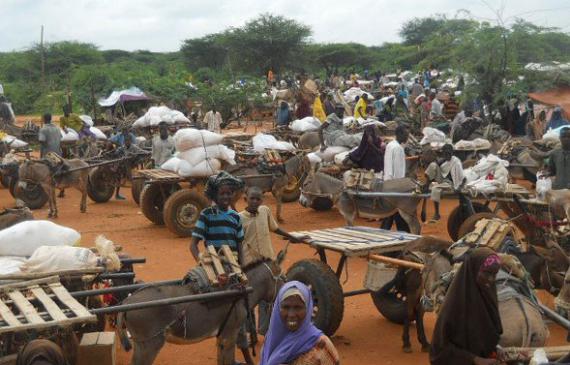
Many of the South Sudanese who fled the country after the outbreak of violence in December last year were only resuming the lives of refugees after a short break. During the thirty-year civil war, in which South Sudan finally gained independence from Sudan, many people had lived in refugee camps in neighboring countries.
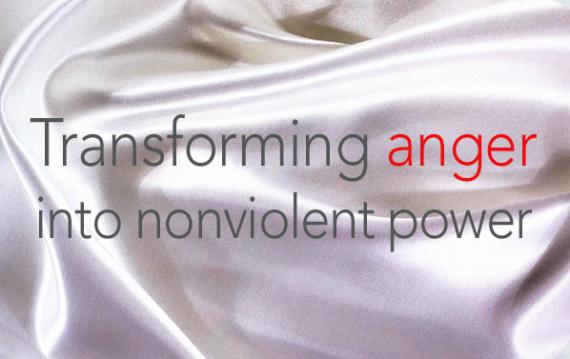
Anger, rage and a desire for revenge are all reasonable and justified in the face of armed attacks, abuse and exploitation. What matters is what we do with these things.
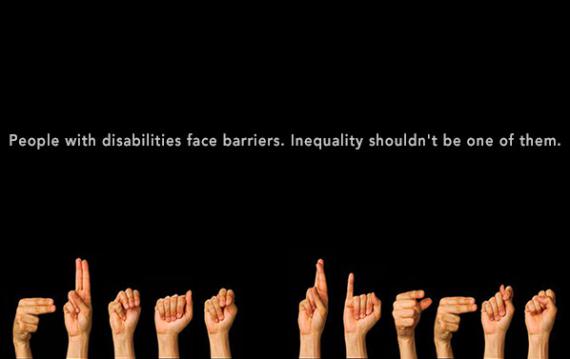
“When I was young, German law prohibited children with disabilities from attending regular schools. However, my father, who was the only doctor in the village, petitioned the headmaster and told him that he would not treat the headmaster’s children if I was unable to attend the regular school,” writes Theresia Degener.
Despite not reaching the Millennium Development Goal of a full primary education for every child, when looking towards the post-2015 framework, it is important to take into consideration the lessons we have learned.
- ‹ previous page
- 46 of 70
- next page ›