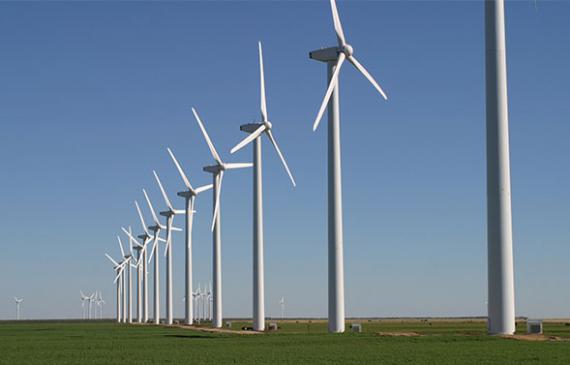
Calling for inclusive, agile and coordinated action to usher in an era of sustainable development for all, Secretary-General Ban Ki-moon presented the United Nations General Assembly with an advance version of his so-called “synthesis report,” which will guide negotiations for a new global agenda centred on people and the planet, and underpinned by human rights.
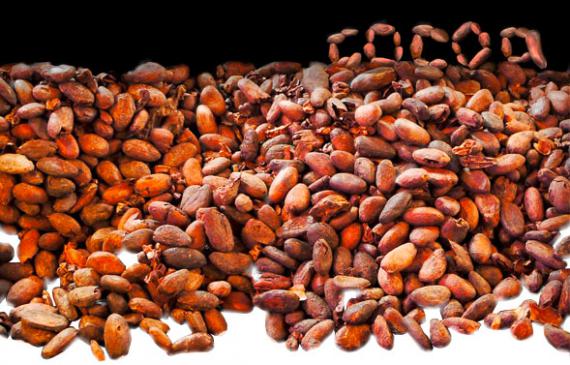
As the world’s fifth-largest cocoa producer, Cameroon should be reaping the benefits of the growing global appetite for high-quality chocolate. But farmers in Konye, in the country’s southwest, are struggling to support themselves as unusually harsh weather takes a big bite out of their cocoa income.
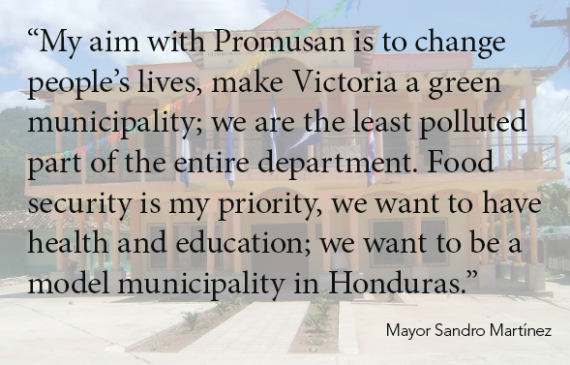
The dynamic mayor of Victoria, Honduras, Sandro Martínez, took on the commitment of turning the municipality into a model of food and nutritional security and environmental protection by means of municipal public policies based on broad social and community participation and international development aid.
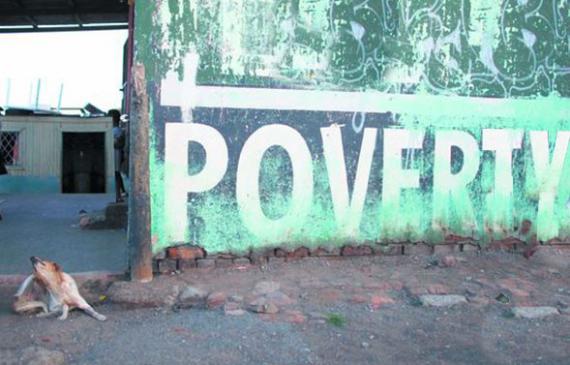
While the world has seen a rapid reduction in extreme poverty in recent decades, the goal of ‘ending poverty’ by 2030 remains ambitious. The latest estimates show that 1 billion people (14.5% of the world’s population) lived below the $1.25 threshold in 2011.
With the world at only 52% of its “entrepreneurial capacity”, does starting a business offer a viable route out of poverty for the 73.4m young people worldwide who find themselves out of work today?
The landmark US–China climate deal—coupled with nearly US$10 billion in pledges to the Green Climate Fund that aims to help developing countries deal with a changing climate—are going to give an energy boost to international climate talks in Lima, Peru, starting 1 December. That should put climate negotiators in a position to make progress toward a global climate agreement at a meeting in Paris in 2015. In Lima, countries will both have to reach decisions on a few key issues and narrow down the options for the negotiating text of the agreement itself. Here are five things that need to happen at the Lima negotiations for them to be considered a success.

There is no shortage of shouting and dire warnings about the state of the climate and our need to phase out fossil fuels. But there is a more silent revolution happening too—in micropower.
- ‹ previous page
- 32 of 70
- next page ›