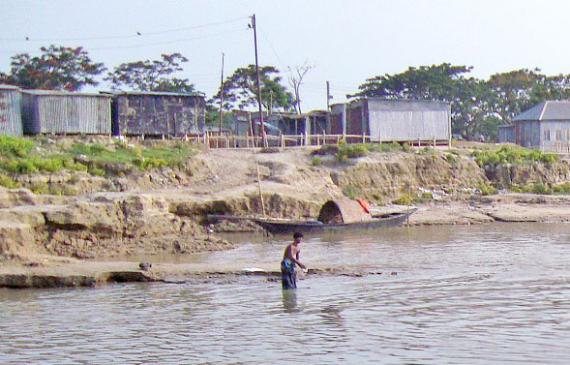
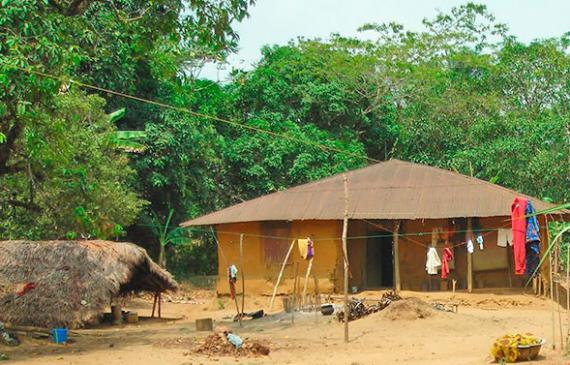
Heavy rains throughout the monsoon months, beginning in August, left thousands of people in northern Bangladesh homeless or in dire straits as the mighty Brahmaputra, Dharla and Teesta rivers burst their banks, spilling out over the countryside. Some of the worst hit were the roughly 50,000-70,000 ‘char dwellers’, residents who have been forced to make their homes on little river islands or shoals, the result of years of intense sedimentation along some of Bangladesh’s largest rivers.
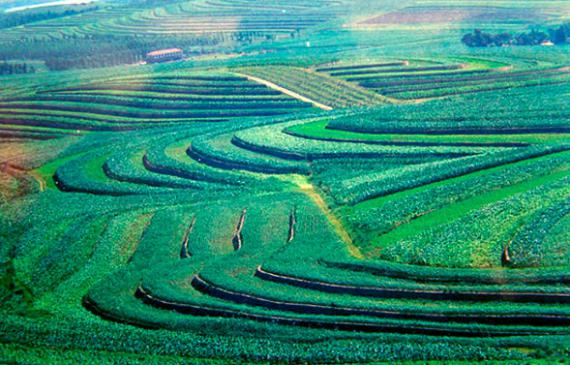
Traditional knowledge combined with the latest science could increase food production while safeguarding biodiversity, new research shows.
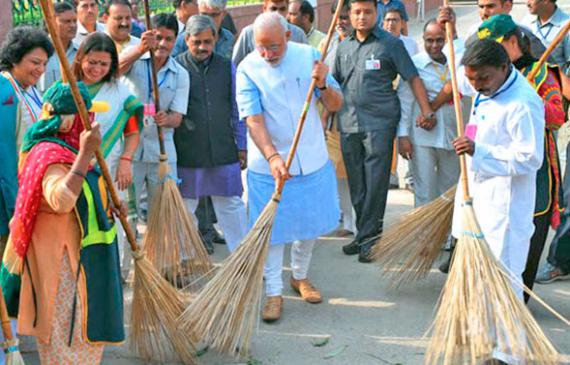
Narendra Modi, the Prime Minister of India, launched a Clean India campaign on 2 October, the birth anniversary of Mahatma Gandhi. The Prime Minister aims to have a clean India by the time of Gandhi’s 150th birth anniversary in 2019. The campaign is timely, but will it be effective?
In semi-arid regions across sub-Saharan Africa and Central Asia, development programs are often left at the mercy of climate change-related risks.
The Winners of the World Media Summit Global Awards for Excellence 2014 were announced on 27 October.
For the past week in Bonn, Germany, climate negotiators have tackled many of the core issues that are key to reaching a new international climate agreement in 2015. While the pace was slow at times, the discussions were thorough and constructive, building on the positive energy from the recent UN climate summit in New York.

World Bank President Jim Yong Kim speaks at Howard University on how the World Bank is working to ensure that the growth of the global economy will improve the lives of all members of society, not only a fortunate few.
- ‹ previous page
- 36 of 70
- next page ›