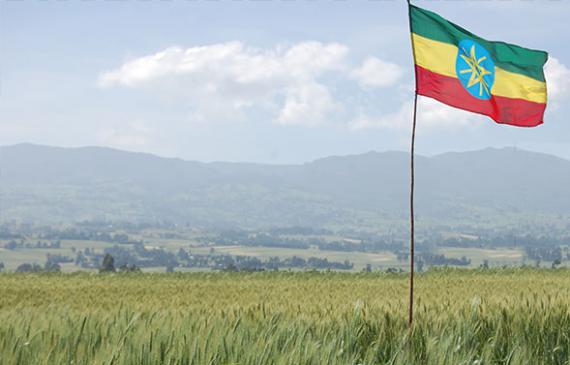
Electric-power supply must improve in most developing countries, including Ethiopia. Typically, national grids do not cover rural areas appropriately—and it does not make sense to wait for that to finally change. The standard of life can improve and new additional income opportunities can be created without fixed power lines, for instance thanks to photovoltaics.
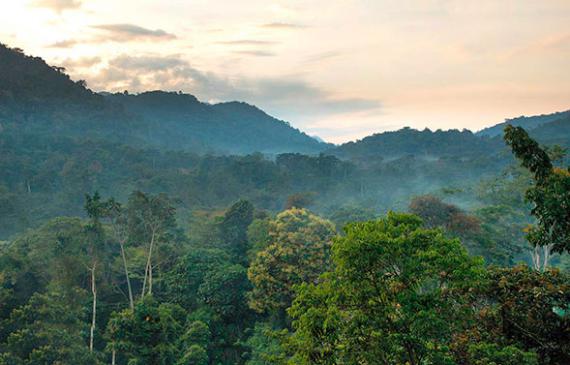
A project in Uganda is using music and video to promote conservation and poverty alleviation, thanks to a creative partnership.
2015 is the International Year of Soils (IYS). IYS 2015, which will be implemented by the Food and Agriculture Organization of the United Nations, aims to increase awareness and understanding of the importance of soil for food security and essential ecosystem functions.
We’ve all been hearing a lot about the “Data Revolution” that’s needed to ensure we have the data to measure progress of development during the last year or so. As we approach the Sustainable Development Goals post-2015, this call will become an ever more deafening clamour.

Michael Welmond and his colleagues at the World Bank visited schools in the Nigerian state of Ekiti. The World Bank team used SABER as a principal tool to design of a $150 million State Education Program Investment Project for Nigeria (SEPIP), which has addressed some of the complexity of the education system, with the overall objective of increasing learning for all.
What are some of the key messages from the United Nations Secretary General on Post-2015? There should be two kinds of target – one globally comparable, the other geared to capturing national context and therefore to be determined at the national level, although this paper focusses only on the former.

- ‹ previous page
- 29 of 70
- next page ›