The concept of leaving no one behind is now firmly embedded in the post-2015 negotiations; however, there has been little discussion about what this means in practice. In order to deliver on the concept of leaving no one behind, we need to define what specific actions should be agreed through the post-2015 and Financing for Development negotiations. An event held at the United Nations on 19 March brought together United Nations negotiators, civil society and other stakeholders to discuss concrete proposals for leaving no one behind and seriously tackling inequality.

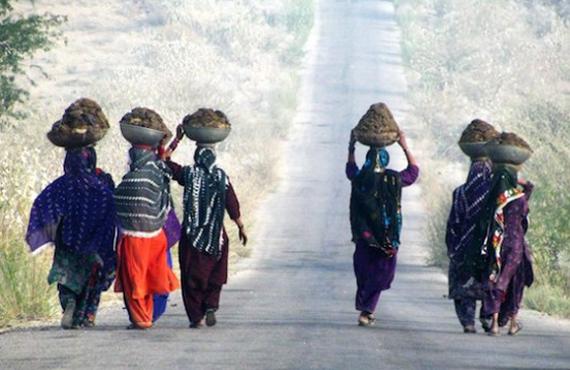
When a group of women in the remote village of Sadhuraks in Pakistan’s Thar Desert, some 800 km from the port city of Karachi, were asked if they would want to be born a woman in their next life, the answer from each was a resounding ‘no’. They have every reason to be unhappy with their gender, mostly because of the unequal division of labour between men and women in this vast and arid region that forms a natural boundary between India and Pakistan.
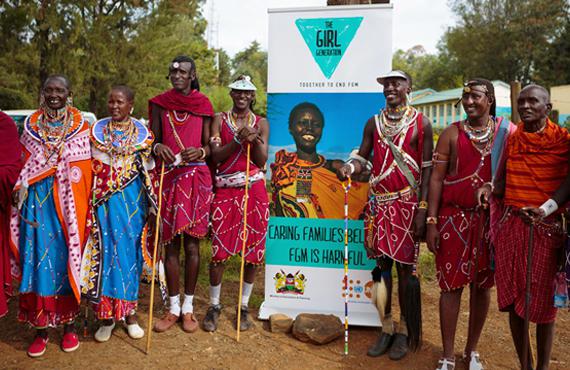
The Girl Generation is a global campaign that supports the Africa-led movement to end female genital mutilation (FGM). The campaign will amplify the issue on the international stage. It will bring attention to inspirational stories of change from some of the most affected countries on the African continent. It will accelerate the worldwide movement to end FGM by galvanizing action, by supporting campaigns across Africa and by pushing for more resources to end FGM.
Today Bruce Lee, from the Global Obesity Prevention Center at Johns Hopkins, tells us about the need for healthy food, no matter where you are. Obesity is an issue that affects not only people in the developed world—more than 60% of overweight or obese people live in low- and middle-income countries. All food is not created equal—it’s not enough to provide food to all people; the type of food matters too.
Sustainable Development Goal 8—to ‘promote sustained, inclusive and sustainable economic growth, full and productive employment and decent work for all’—could be the most transformative goal to come out of the United Nations negotiations on global development priorities after 2015.

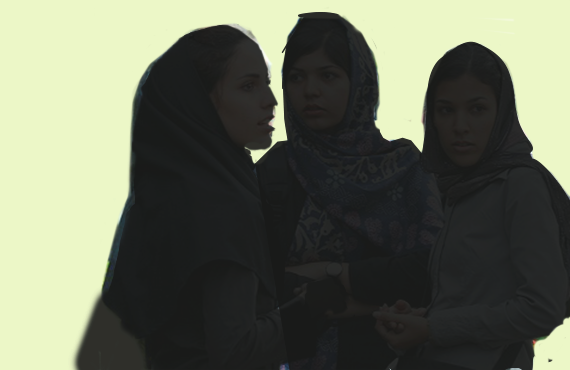
Women in Iran could face significant restrictions on their use of contraceptives and be further excluded from the labour market unless they have had a child, if two proposed laws are approved, says a new report by Amnesty International published this week.
- ‹ previous page
- 21 of 70
- next page ›


19db.jpg?itok=votNGekh)