



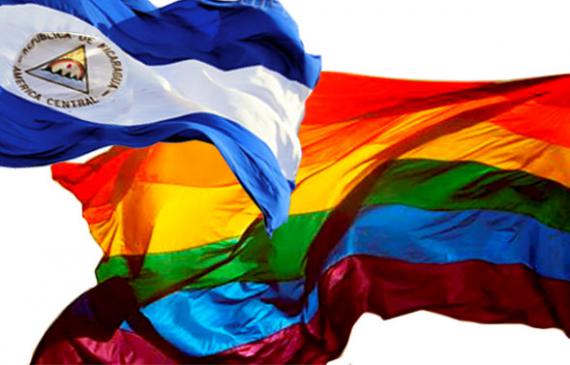
We have made significant progress in recognizing and respecting the rights of lesbian, gay, bisexual, transsexual, transgender and intersex (LGBTI) people in Latin America. However, homophobia and transphobia have not gone away.
When describing the different realities in Latin America, we tend to only take into consideration the large countries in this region and forget the small countries, such as those in Central America. Nicaragua was the last Latin American country to decriminalize homosexuality and the first to appoint a Special Ombudsman for Sexual Diversity to defend the rights of the LGBTI community, after they fought for their rights for more than two decades.
At first look, it would appear that the situation has improved for the LGBTI community. However, it hasn’t. Why? Undoubtedly, because of discrimination, which is closely related to the political systems in Latin America.
In Nicaragua’s case, the sociopolitical setting remains male-dominated and misogynistic, despite laws becoming more respectful of human rights and having a constitution that guarantees those rights. Legislative changes have not stopped discrimination related to sexual orientation or gender identity, because discrimination is a structural issue closely linked to gender-based violence.
For example, although discrimination has been a criminal offence in Nicaragua since 2008, and complaints have been filed with the Attorney General, not a single person has been criminally prosecuted. The police are reluctant to process discrimination-related complaints because they don’t regard it as a crime and do not consider it necessary to investigate the complaints.
Neither the judiciary nor the general population fully understand what discrimination is. Many LGBTI people are discriminated against because of their sexual orientation or their gender identity, just for being who they are. Understandably, we lack confidence in the system, because for many decades we endured criminalization. And, most importantly, we continue to be burdened by the cultural–religious stigma against homosexuals.
Our political systems are still permeated by the Church. The emergence and strengthening of fundamentalist groups in our region is a new obstacle to progress. They dominate political space and have enormous economic resources. Our political class, both from the left and the right, fears confronting the Church.
Our countries still lack clear and concrete policies aimed at reducing discrimination of any kind, especially in an area as important as education, which is key for preventing discrimination. For example, training material for sexual and reproductive health education is available for Nicaraguan public schools, yet many teachers refuse to impart this education on the pretext of their religious beliefs. And if they do, they only take a biological and reproductive approach, never a rights-based approach. Many private schools continue to expel students because of their sexual orientation, although this happens less often in public schools, owing to the decisions of the Office of the Human Rights Ombudsman. Expulsions from private schools, most of them religious, go unreported. Parents do not make complaints against the schools because they are afraid of what people will say.
Reportedly, violence against the LGBTI community has increased. My impression is that there is a greater visibility about these offences, thanks to the fight for our rights and a more empowered new generation. In many cases, visibility helps us to prevent offences from going unpunished and provides us with tools to demand greater protection for our rights.
Legal changes with punitive measures are not enough; there should be public policies aimed at social transformation too. Discrimination and stigma have always been there. We have been subjected to them for 500 years. We have made some progress, but there are still great social and economic disparities between countries. The old political model won’t die away. It resists giving a voice to those who have been silenced for centuries.
But it is these very voices—of women, lesbians, indigenous women, transgender people, women living with HIV, female sex workers, homosexual men, women of African descent, etc.—that have enabled change in our region. There is still a lot of work to be done. But undoubtedly the region has the potential to transform itself and become more egalitarian through diversity.
Contributor
Samira Montiel is a lawyer who was appointed as the Special Ombudsman for Sexual Diversity in Nicaragua. She is an activist who has campaigned against abuses and discrimination against lesbian, gay, bisexual, transsexual, transgender, transvestite and intersex people.
Post a comment