




I know that I have been fortunate in life. As a child in Mali, I was one of the children who went to school without shoes in solidarity with my classmates. Today I have the privilege to travel the world, meeting with leaders at the highest levels as we work together to save lives. But many times a year, I also meet people who have been denied opportunities to succeed—or even to survive. Their stories inspire me and always reignite my desire for human rights, justice and fairness. I meet them often in my work because, at its core, HIV is a metaphor for poverty, bigotry and society’s neglect. So our response must be flawlessly compassionate, ethical and inclusive. It must address larger social problems such as gender violence, drug addiction, the effects of war and discriminatory laws. HIV has taught us an extremely valuable lesson: Progress is possible only when we put people—not pills, politics or dollars—at the centre of our response. We learned the incredible power of bringing the people who are most affected to the tables where decisions and policies are made. From the earliest days, almost all gains in HIV have been achieved through human rights activism by people living with and vulnerable to HIV—the right to treatment, the right to non-discrimination, the right to participation. But we also learned that human rights are not something only for oppressed and marginalized people to fight for. Injustice is like a pebble dropped in still water. When one group is treated inequitably, all of society feels the resulting wave, socially and economically. Whether it is a woman denied property rights in India, advocates beaten in Russia, teenagers without access to sexual and reproductive health education in Ghana, a drug user denied methadone in Thailand, or a sex worker arrested for carrying condoms in New York City. We all suffer. Our humanity is eroded. It is our moral duty to advocate for justice and equity. But more than that, I want to forge a burning desire for it—like my own. This is my dream—that people without voices will be empowered and equipped to demand them for themselves. Finally, I am proud to be the first contributor to Daily Development. I am looking forward to being inspired by more stories of innovation and progress that will spark debate and our desire to do more.
Contributor
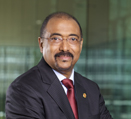
Michel Sidibé, Executive Director of the Joint United Nations Programme on HIV/AIDS (UNAIDS) and Under-Secretary-General of the United Nations. His vision is zero new HIV infections, zero discrimination and zero AIDS-related deaths. A native of Mali, Michel is an outspoken advocate with a people-centred approach to global development. What keeps him hopeful? “The capacity of young people to innovate, connect and respect each other—really the first generation of global citizens.” unaids.org
Post a comment