



It’s an exciting time to work on global issues. Our challenges are big, but so are the opportunities to improve millions of lives.
These opportunities aren’t happy accidents; they are the result of new ideas and enthusiasm for solving global problems. That’s because the “rules” of philanthropy are being completely re-written: We’re moving from charity to change, and it’s opening the doors to profound progress on our toughest challenges.
So what are the hallmarks of this shift?
1. Philanthropy is being democratized: Long associated with millionaires, philanthropy now belongs to everyone. People of all ages and all backgrounds can get involved in whatever way works best for them.
As the UN Foundation’s Founder and Chairman Ted Turner says, “You don’t have to have any money to make a difference; you can pick up trash walking down the street, and I do that all the time. You can volunteer your time. You can be a big brother or a big sister.”
People want to be change-makers, not just check-writers. They understand that resources are important, but they also want to be deeply engaged, learning about the issues and donating their time, ideas, and voices, too.
The UN Foundation’s partners include everyone from parent bloggers who use their platforms to raise awareness about lifesaving vaccines, to teen girls in the U.S. who write their elected officials to pass legislation addressing child marriage, to faith groups and students who donate $10 to send an anti-malaria bed net to a family who needs it.
These partners are bringing much-needed attention and resources to global challenges.
2. A focus on problem solving: Instead of focusing on just where to give money, more and more people and organizations are focused on identifying problems and solutions and proceeding from there.
This focus on problem solving, combined with a new wave of philanthropists, has led to a surge in innovation in the international development sector.
New partnerships between governments, companies, and civil society are helping to tackle challenges on a scale that were impossible before. Entrepreneurs and experts from across society are bringing fresh thinking to old challenges, from using mobile phones to improve health care to finding new ways to procure and deliver lifesaving commodities. And individuals are connecting with each other through digital communications to make their voices heard and to create a global constituency for peace, justice, and equal opportunity.
We’re only at the beginning of this movement from charity to change, and the possibilities for new breakthroughs and advances are endless. By embracing this transition, we can unleash solutions that will build a more peaceful and just world for all of us.
Contributor
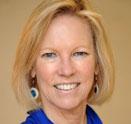
Kathy Calvin is President and CEO of the United Nations Foundation. Her career has spanned work in the public, private and non-profit sectors. The UN Foundation advocates for the UN and connects people, ideas, and resources to help the United Nations solve global problems. As a public charity with many partners, the UN Foundation's work is focused on decreasing child mortality, empowering women and girls, creating a clean energy future, using mobile technology for development, and improving U.S.-UN relations.
What keeps them hopeful? “The enthusiasm of young people to make a difference.”
Links
Comments
Pierre Ferrari
|Jan. 08, 2014 at 17:39 pm
Post a comment