



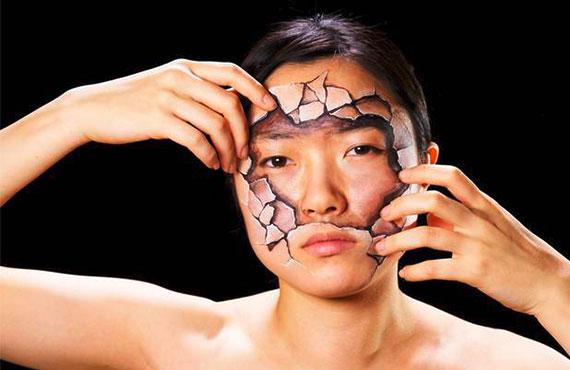
Being able to make our own decisions about our health, body and sexual life is a basic human right, but one that is still denied to far too many people worldwide. Today Daily Development talks to Jessie Macneil-Brown, from Amnesty International, about its campaign, My Body My Rights, which aims to stop the criminalization of sexuality and reproduction by governments and third parties.
DD: Amnesty International is arguably better known for its campaigning on political prisoners and political rights. Why did it launch this campaign for health, sexuality and reproductive human rights?
JMB: Amnesty International has been working on sexual and reproductive rights for many years. We launched the My Body My Rights campaign because in recent years a number of states have tried to roll back the progress made on these rights. Hundreds of millions of people across the globe risk having their basic freedoms denied. They are also at increased risk of discrimination, ill health and, in some cases, death unless we stop governments and other parties from interfering with their sexual and reproductive rights.
Our aim is to remind world leaders of their obligations to respect, protect and fulfil these rights, particularly as they negotiate a new global agenda through the post-2015 sustainable development goals.
DD: Most people in the developed world take making decisions about their health for granted. What do you think are the main obstacles to such freedoms being available to all and what can be done to overcome those obstacles?
JMB: In many countries, the state, medical professionals and even our own families control our sexual and reproductive freedoms. Criminal laws, punitive sanctions, fear, coercion, violence and discrimination are used all over the world to prevent many from making decisions about their health, bodies, sexuality and reproductive lives.
Amnesty’s My Body My Rights campaign calls on governments and United Nations agencies to protect the sexual and reproductive rights of everyone, particularly young women and adolescent girls.
We want these rights—which are part of our human rights—enshrined in international commitments, and we want governments to amend their laws and practices to ensure that sexual and reproductive rights are respected, protected and fulfilled.
Through My Body My Rights we are calling on governments to:
• Stop the discriminatory use of criminal law to regulate sexuality and reproduction and stop third-party control over individual decision-making.
• Remove barriers preventing access to sexual and reproductive health services, information and contraception by addressing discrimination in law and practice.
• Empower people to claim their rights so that every person can make free and informed choices about their sexuality and reproduction without fear of discrimination, coercion and violence.
• Maintain and strengthen standards on sexual and reproductive rights through the post-2015 sustainable development goals.
DD: Your campaign in 2014–2015 is focusing on seven countries: Nepal, Burkina Faso, El Salvador, Algeria, Morocco, Tunisia and Ireland. Why are you featuring those countries specifically?
JMB: We want to make real change in people’s lives, so we chose seven countries in five regions of the world where we felt we could have the most impact. These countries showcase different contexts where states are encroaching, or failing to prevent third parties from encroaching, on the personal autonomy of individuals, particularly women and girls.
In Nepal, women and girls are denied control over their bodies, health, workload and lives, resulting in a high prevalence of uterine prolapse, which is an entirely preventable condition. We have called on the government to recognize uterine prolapse in the country as a human rights issue and to implement a prevention strategy.
Last week in El Salvador we launched a report highlighting the human rights impact of the country’s total ban on abortion, which is killing women and girls. Girls as young as nine are denied abortions when raped. Women who suffer miscarriages are accused of having clandestine abortions, charged with aggravated homicide and jailed for up to 50 years. We are calling on the government to decriminalize abortion.
In the coming months we will be presenting petitions to the governments of Algeria, Morocco and Tunisia, where, in some cases, rapists escape prosecution by marrying their victims. We are calling for greater protection of survivors of sexual violence, and for access to health services and judicial remedies for all.
Next year we will be campaigning for the decriminalization of abortion in Ireland and improved access to sexual and reproductive health education and contraception in Burkina Faso.
DD: We have less than 500 days to achieve the Millennium Development Goals, including MDG 3, to promote gender equality and empower women. Is Amnesty International seeing real progress on the ground with respect to women’s rights?
JMB: We believe that sexual and reproductive rights are key to ensuring women’s equality and empowerment.
Unfortunately we are not seeing enough progress on the ground in relation to these rights, which is why Amnesty International launched the My Body My Rights campaign.
This year alone we have seen the case of Meriam Ibrahim, who was sentenced to death for her choice of husband and religion. In June, we were horrified by the United States Supreme Court’s decision allowing businesses to deny their employees access to contraception. And over the summer, we saw the Spanish Government pushing to restrict its abortion laws—a move that Amnesty International and others successfully blocked through intensive campaigning.
We have recently called on United Nations Member States to prioritize the human rights of women and girls in the post-2015 sustainable development goals. As part of the My Body My Rights campaign we will be working very hard over the coming months to ensure that sexual and reproductive rights are prioritized by Member States involved in this process.
DD: You recently teamed up with Japanese artist Hikaru Cho, who created some amazing body art images depicting sexual repression experienced by women around the world. How important do you think it is to use such different campaigning techniques to publicize injustices?
JMB: One of the aims of our campaign is to empower young people to claim their sexual and reproductive rights.
Currently, 43% of the world’s population is aged 10–24, which equates to more than 1.8 billion people. That’s the largest youth population in the history of the world. Still, almost 90% of these young people live in countries where they are denied the freedom to make decisions about their sexual or reproductive lives. And they don’t have access to basic sexual and reproductive health services and education, which they need to stay healthy.
It is very important that our campaign finds creative and empowering ways to begin conversations on sexual and reproductive rights. We felt that Hikaru Cho’s images would help us to engage with young people and they have proved very successful in helping us achieve that.
Contributor

Jessie Macneil-Brown is the My Body, My Rights Global Campaign Manager for Amnesty International. The My Body My Rights campaign is supported by Amnesty International groups worldwide and will be running until the end of 2015. For more information and to take action, please visit https://campaigns.amnesty.org/campaigns/my-body-my-rights.
Post a comment