




12 December 2014
Partner post
Only Half of Global Banks Have Policy to Respect Human Rights
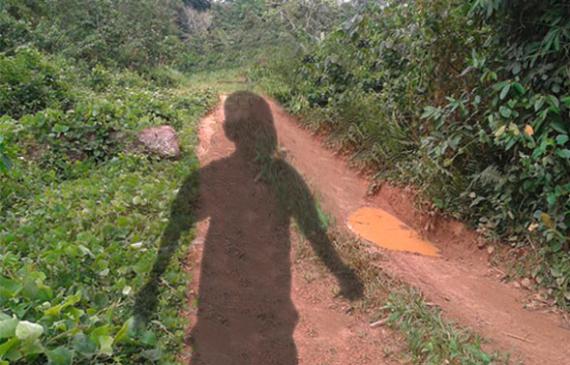
Just half of major global banks have in place a public policy to respect human rights, according to new research, despite this being a foundational mandate of an international convention on multinational business practice. Further, of the 32 global banks examined, researchers found that none has publicly put in place a process to deal with human rights abuses, if identified. None has even created grievance mechanisms by which those impacted by potential abuses can complain to the banks.
11 December 2014
Partner post
When Women Own Land, All Sorts of Problems Disappear
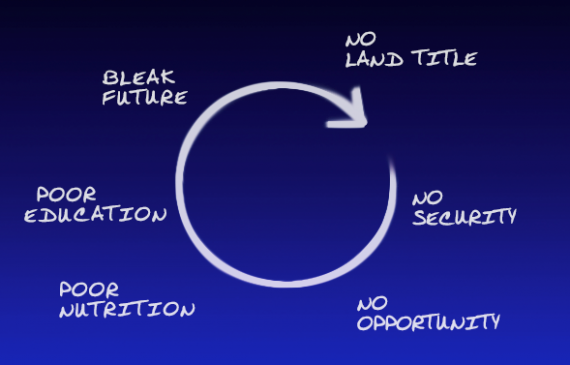
Next year the world will reach a historic moment. The Millennium Development Goals (MDGs), development targets adopted by the international community in 2000, are set to expire. In their wake will come a new development agenda, commonly called the post-2015 development framework. This new framework is an opportunity to put human rights on the front burner of global development, which, despite progress in many areas, the MDGs ultimately failed to do.
10 December 2014
Partner post
Human Rights Day
The UN General Assembly proclaimed 10 December as Human Rights Day in 1950, to bring to the attention ‘of the peoples of the world’ the Universal Declaration of Human Rights as the common standard of achievement for all peoples and all nations.
10 December 2014
Partner post
Breaking the silence
They testified so that the truth would be known: in 2013, indigenous women resolutely recounted their personal stories in the genocide trial against ex-dictator Ríos Montt. They told of rapes and crimes against humanity. Their courageous testimony paved the way for Guatemala’s first successful prosecution for genocide. The judgment was repealed soon after, but it was a historical achievement nonetheless.
09 December 2014
Partner post
Dispatches: A Victory for Press Freedom in Africa
Journalists and human rights defenders across Africa have achieved a huge victory in the battle for freedom of expression. In a landmark judgment on 5 December, the African Court on Human and Peoples’ Rights ruled that Burkina Faso violated the right to freedom of expression of Burkinabé journalist Issa Lohé Konaté.
08 December 2014
Partner post
Discussing Learning and Equity Indicators for Post-2015
It is not difficult to be overwhelmed by the challenges in improving global education measurements in post-2015. There are really big issues cutting across sectors. Some of them are addressed in the report of the UN Secretary-General's Independent Expert Advisory Group on a Data Revolution for Sustainable Development, which was published in early November. And then there is the nitty-gritty that we need to come down to if good ideas are to be put to practice.

- ‹ previous page
- 31 of 70
- next page ›